The history of the waffle iron is closely linked to the development of waffles themselves in Europe.
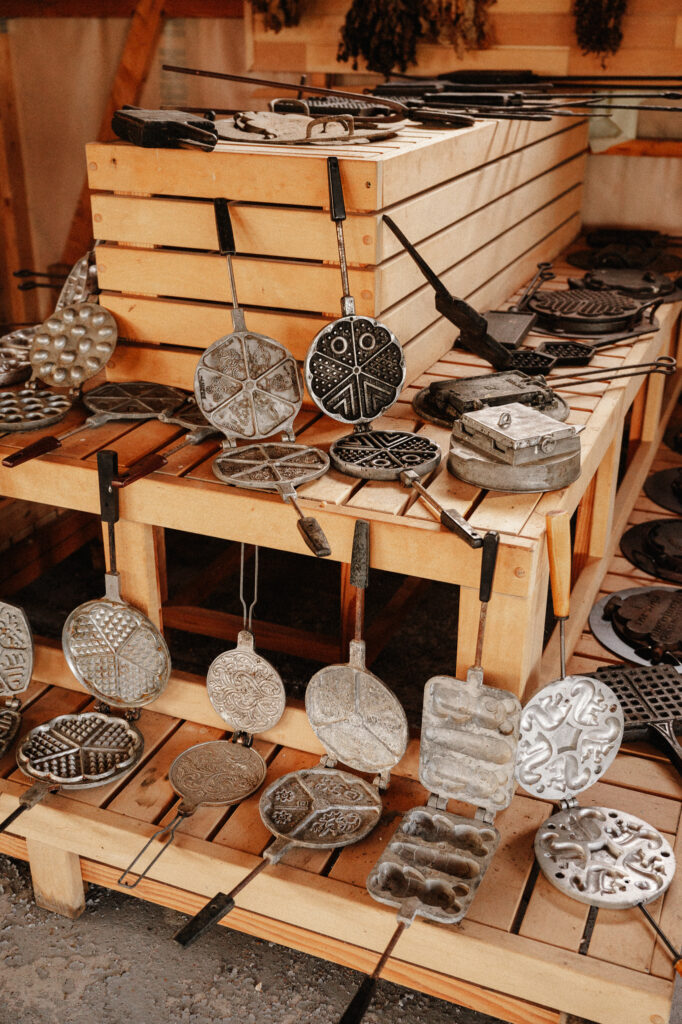
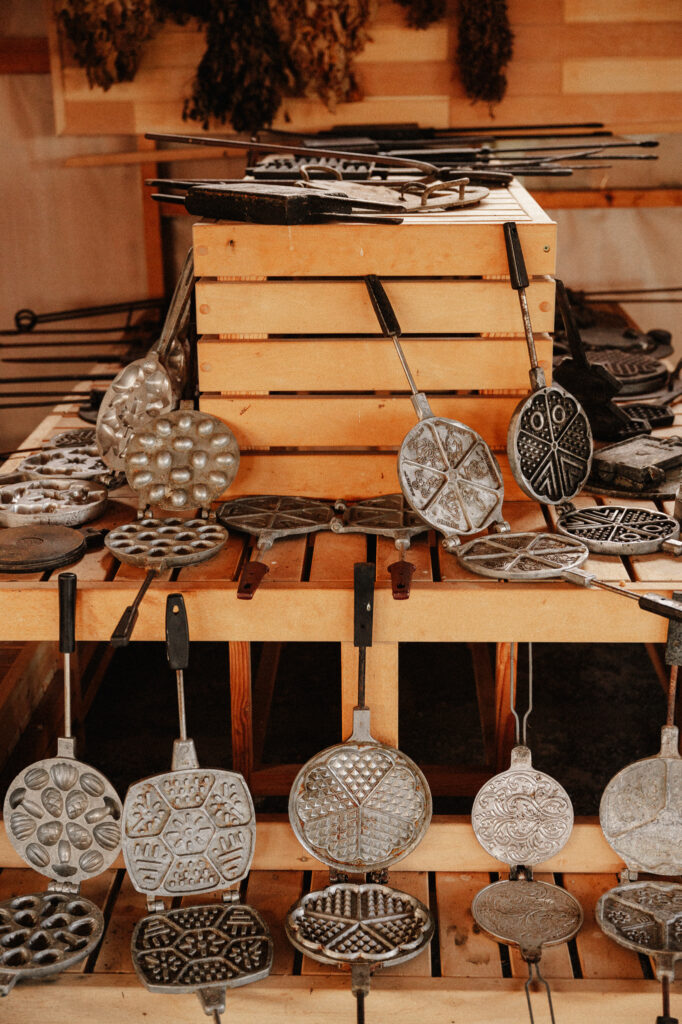
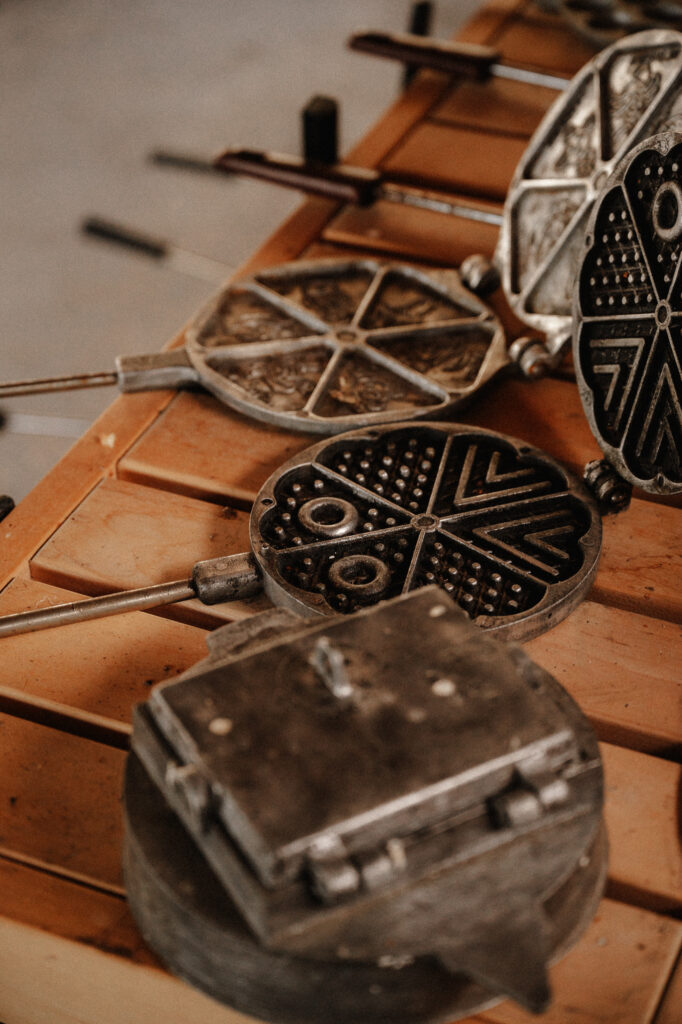
The first waffle irons appeared in the Middle Ages, around the 12th–13th centuries. They were heavy, wrought iron pans with long handles that were held over an open fire. The pan consisted of two plates with engraved patterns that pressed onto the surface of the waffle during baking.
Initially, the patterns were not only decorative – they depicted coats of arms, religious symbols, flowers, animals or family signs. In many European countries, such pans were passed down from generation to generation as a valuable household item.
In the 17th–19th centuries, cast-iron waffle irons became an integral part of rural kitchens. They were used both in everyday life and on holidays. Each region developed its own waffle shapes – thin and crispy in Northern Europe, thicker and more airy in Belgium.
At the beginning of the 20th century, with the arrival of electricity in households, the first electric waffle irons were created. They made baking much easier, provided a uniform temperature and made waffles an easy-to-make everyday delicacy.
Today, old cast iron waffle irons have become the pride of collectors and museums. They tell not only about cooking, but also about craftsmanship, metalworking skills and family traditions. Many historic irons can still bake waffles in the same way they did centuries ago, preserving their authentic taste and characteristic ornamentation.